Colleges by Location
Colleges by Fields of Study
Colleges by Tuition Range
Colleges by GPA Range
College by SAT Range
Colleges by ACT Score
Graduate Schools by Location
Graduate Schools by Fields of Study
Graduate School by Degree Type
Paying for Graduate School
Online Graduate Programs
Test Preparation
Career Planning
College Planning
Graduate School Planning
Applying to Graduate School
- More
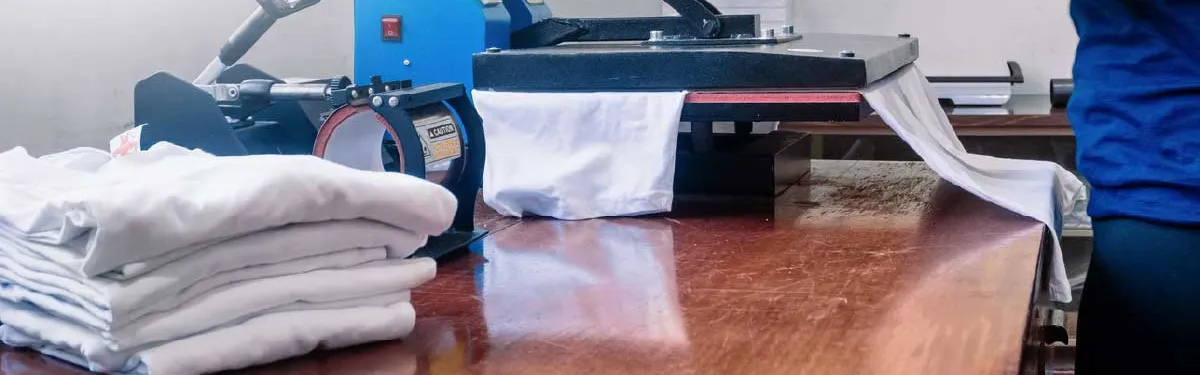

| Median Wage (USD, 2024) | Projected Job Openings (2024-2034) | Projected Growth (2024-2034) | |
|---|---|---|---|
| National Statistics | $33880 | 2800 | -13.5% |
| State Statistics | - | - | - |
| City Statistics | - | - | - |
Experience Requirements Overview
- Job Zone 1-2: Very Little to Some Preparation Needed
- Some occupations may need little or no previous experience; others require several months to a year of experience. For example, landscaping and groundskeeping workers might require very little training or previous experience, while agricultural equipment operators can benefit from on-the job training.
- Usually requires a high school diploma or GED, though some occupations may not.
- Ranges from a few days to one year of on-the-job training.
Education, Training and Experience
Required Level of Education: Less than a High School Diploma
Related Work Experience: Over 2 years, up to and including 4 years
On-Site or In-Plant Training: Over 3 months, up to and including 6 months
On-the-Job Training: Anything beyond short demonstration, up to and including 1 month
Detailed Work Activities
- Smooth garments with irons, presses, or steamers.
- Stack finished items for further processing or shipment.
- Remove products or workpieces from production equipment.
- Mark products, workpieces, or equipment with identifying information.
- Package products for storage or shipment.
Work Values
Achievement
Occupations that satisfy this work value are results oriented and allow employees to use their strongest abilities, giving them a feeling of accomplishment. Corresponding needs are Ability Utilization and Achievement.
Working Conditions
Recognition
Relationships
Support
Independence
Tasks
- Hang, fold, package, and tag finished articles for delivery to customers.
- Operate steam, hydraulic, or other pressing machines to remove wrinkles from garments and flatwork items, or to shape, form, or patch articles.
- Straighten, smooth, or shape materials to prepare them for pressing.
- Remove finished pieces from pressing machines and hang or stack them for cooling, or forward them for additional processing.
- Finish pleated garments, determining sizes of pleats from evidence of old pleats or from work orders, using machine presses or hand irons.
- Lower irons, rams, or pressing heads of machines into position over material to be pressed.
- Identify and treat spots on garments.
- Shrink, stretch, or block articles by hand to conform to original measurements, using forms, blocks, and steam.
- Finish fancy garments such as evening gowns and costumes, using hand irons to produce high quality finishes.
- Push and pull irons over surfaces of articles to smooth or shape them.
- Finish pants, jackets, shirts, skirts and other dry-cleaned and laundered articles, using hand irons.
- Slide material back and forth over heated, metal, ball-shaped forms to smooth and press portions of garments that cannot be satisfactorily pressed with flat pressers or hand irons.
- Select appropriate pressing machines, based on garment properties such as heat tolerance.
- Spray water over fabric to soften fibers when not using steam irons.
- Position materials such as cloth garments, felt, or straw on tables, dies, or feeding mechanisms of pressing machines, or on ironing boards or work tables.
- Moisten materials to soften and smooth them.
- Clean and maintain pressing machines, using cleaning solutions and lubricants.
- Press ties on small pressing machines.
- Block or shape knitted garments after cleaning.
- Activate and adjust machine controls to regulate temperature and pressure of rollers, ironing shoes, or plates, according to specifications.
- Use covering cloths to prevent equipment from damaging delicate fabrics.
- Examine and measure finished articles to verify conformance to standards, using measuring devices such as tape measures and micrometers.
- Finish velvet garments by steaming them on bucks of hot-head presses or steam tables, and brushing pile (nap) with handbrushes.
- Measure fabric to specifications, cut uneven edges with shears, fold material, and press it with an iron to form a heading.
- Insert heated metal forms into ties and touch up rough places with hand irons.
- Brush materials made of suede, leather, or felt to remove spots or to raise and smooth naps.
- Sew ends of new material to leaders or to ends of material in pressing machines, using sewing machines.
- Select, install, and adjust machine components, including pressing forms, rollers, and guides, using hoists and hand tools.
Work Styles
Innovation
A tendency to be inventive, to be imaginative, and to adopt new perspectives on ways to accomplish work.
Innovation
Achievement Orientation
Achievement Orientation
Intellectual Curiosity
Intellectual Curiosity
Tolerance for Ambiguity
Tolerance for Ambiguity
Initiative
Initiative
Adaptability
Adaptability
Self-Confidence
Self-Confidence
Perseverance
Perseverance
Leadership Orientation
Leadership Orientation
Humility
Humility
Sincerity
Sincerity
Empathy
Empathy
Cooperation
Cooperation
Optimism
Optimism
Social Orientation
Social Orientation
Cautiousness
Cautiousness
Attention to Detail
Attention to Detail
Dependability
Dependability
Integrity
Integrity
Stress Tolerance
Stress Tolerance
Self-Control
Self-Control
Data Source: This page includes information from the O*NET 30.0 Database by the U.S. Department of Labor, Employment and Training Administration (USDOL/ETA). Used under the CC BY 4.0 license. O*NET® is a trademark of USDOL/ETA. This page includes Employment Projections program, Occupational Employment and Wage Statistics program, U.S. Bureau of Labor Statistics.